Bricks By Brick: Interviews With The Storytellers Behind The Screen
By: Kelly Jo Brick
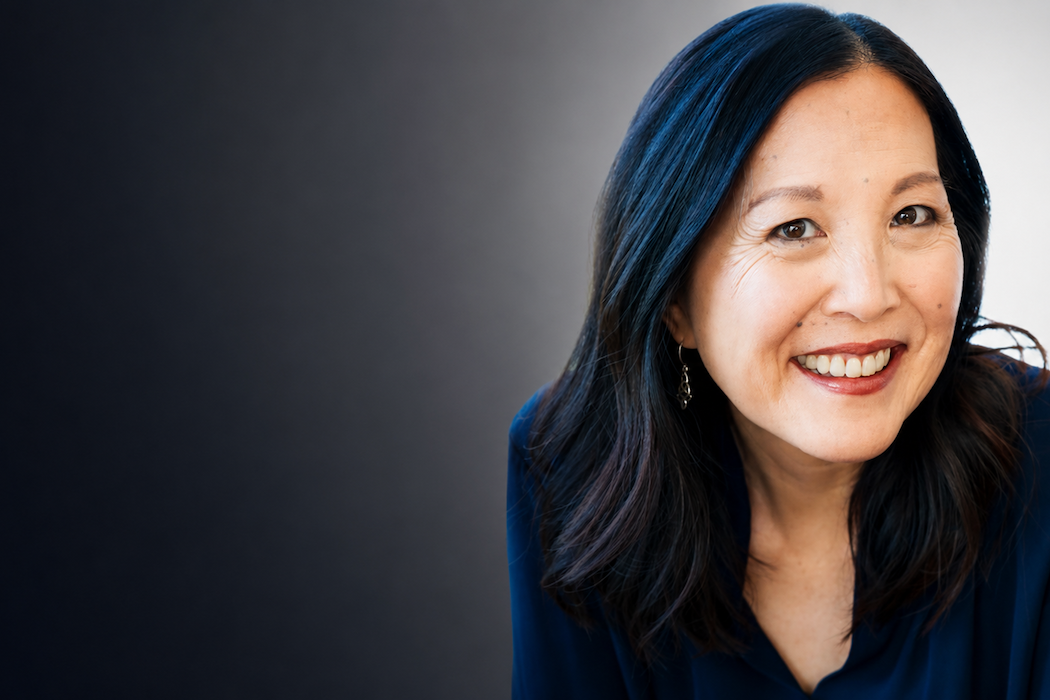
With the nature of today’s ever-changing and very challenging entertainment industry, writers are finding the need to become more entrepreneurial. Showrunner and indie filmmaker Dara Resnik (Home Before Dark, The Horror of Dolores Roach) takes us into her journey co-writing and producing the indie film, California Scenario, and shares how making a project of your own can fuel both your creativity and your career.
YOU CO-WROTE AND PRODUCED THE INDIE FILM CALIFORNIA SCENARIO ALONG WITH JAMES TAKATA, CAN YOU TELL US ABOUT THE FILM AND THAT EXPERIENCE?
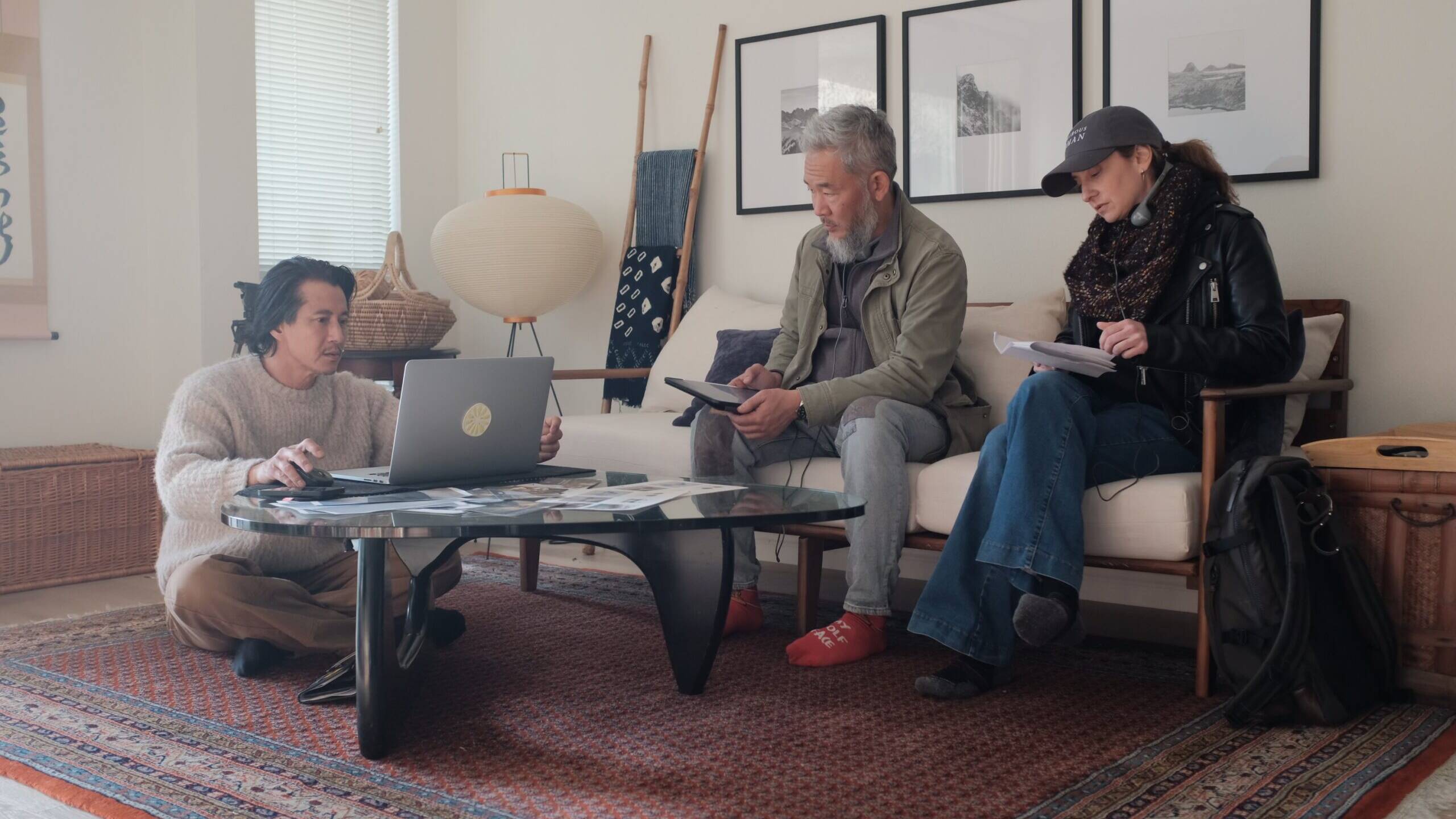
It’s about a Jewish American mom and a Japanese American dad. Both single parents, both the descendants of concentration camp survivors on different continents. They realize that their intergenerational trauma is affecting their kids and so they take their kids down to Isamu Noguchi’s installation in Costa Mesa which is called California Scenario. It happened because when I met James he was the DP on The Horror of Dolores Roach, and I asked him what the project is that he’s always wanted to do that he never did. He said he wanted to do something about Isamu Noguchi’s life. He likes to say he’s the most famous twentieth century sculptor you’ve never heard of.
He really was, I didn’t know the name, but I actually owned an Noguchi table. So it’s kind of embarrassing, but the problem is his life story spans like every continent and 100 years and would cost $200 million. So I went down a bit of a rabbit hole after we’ve been dating for a while and I said, “He has this pretty cool installation called California Scenario. What if we got the rights to shoot in it and we made it about our lives?”
James likes to say, “What’s in it isn’t all true, but emotionally it’s true.” We took these pieces of our emotional lives, our co-parenting, our crazy divorces, the way that our intergenerational traumas has affected our kids and we set it in that environment. We lobbied the owners of that property for 6 months. Didn’t think we were going to get it and then they said yes. Then we were like, oh, crap. We better write a script. So we wrote the script really quickly. Crewed up. We got the yes in September or something and we were shooting in February.
AFTER MAKING YOUR OWN INDIE FILM, WHAT ADVICE DO YOU HAVE ON TAKING THE INITIATIVE TO GO OUT AND MAKE A PROJECT ON YOUR OWN?
 First of all, I think it’s easier than ever to do it. I even think fundraising, I mean, it’s not easy easy, but it’s so much easier. Seed&Spark is incredible. If anybody’s thinking about it they should go to Seed&Spark and just mess around on the site.
If you come up with a proposal, they have people that are vetting and advising you. They don’t let you put a fundraiser out there that they don’t think you can actually complete.
So things like Seed&Spark, Indiegogo, which I explored a little bit. There’s a lot of film funds in various states that I think if you have a message type short or movie those are really good to go after. My advice would be try to fundraise and be realistic about it. We thought about the people that we knew and how many people were likely to give. Like okay, let’s make a mental list of people who might give us $1,000. Now let’s make a mental list of people who might give us $500, a mental list of people who might give us $100. How much ultimately will that add up to and what can we afford to do with that, and knowing that we could call in every favor we ever had from every television show.
I wouldn’t recommend doing what we did in 10 days. The only reason we can pull that off was because we had every contact from every real television show ever come in to help us, but I learned that it’s feasible. I really learned, I didn’t leave that and go, we’re really special that we could do this. I was like, anyone can do this. This is so cool and Panavision, Canon, all of the camera houses, they want to be seen as helping new voices. It’s good for them. So if you get a known DP, even someone who’s worked with them a couple times to work for you, they’ll get a really great deal from them. You’ll get amazing cameras.
There’s always this thing [the iPhone] and I think that more people should be experimenting and seeing what kind of content they can make with that. My boyfriend James’s daughter started this art account and she made this incredible music video and it’s basically all, as far as I can tell, with this [the phone] and she edited on her phone and it’s on Instagram. And she’s 18. What a cool way to experiment and just see.
IN ADDITION TO YOUR OWN WRITING, YOU ALSO TEACH. ARE THERE ANY COMMON MISTAKES OR CHALLENGES YOU SEE WITH NEWER WRITERS?
I think not starting your script with a bang, not really focusing on those first three pages. You want to hook the reader. I’m interested in seeing do you understand story. Do you understand craft? Can you show me that there’s a big turn at the end of act one? Can you show me that you can do different character voices? Can you show me that, again, even personality on the page, I love when someone’s action lines say a little bit about who they maybe are like, “Wait for it, we’re getting there,” sort of like it’s talking to me as a reader.
I think most of the people who were being submitted, it’s been a couple years since I staffed a room, but most of the people who were being submitted to me at the time that I was last staffing a room, would have been off of the page. The sample to me is almost just like I just want to make sure that you can write. I’m not staffing off of a sample usually.
I’m staffing off of all of the other things and then I read the samples to make sure that I’m not hiring someone who doesn’t actually know what they’re doing. I sort of assume that if you’ve gotten as far as being in the room with me, you probably already know what you’re doing. And I say this, and different showrunners feel differently about this, I feel like I know how to write the show. I sold the show, I know how to write the show. I don’t need you to write the show, I need you to come in and bring great ideas and bring yourself.
WHAT PARTING ADVICE DO YOU HAVE FOR UP-AND-COMING WRITERS?
 I think anyone breaking in now should find an ancillary form of income that does not take away from their creative time. That’s really hard to do. For me, when I was coming up, that was substitute teaching and teaching little kids, because I found that when I did the sort of more part-time administrative stuff, it was just soul crushing that I went home and I couldn’t write anything, but when I spent a few hours a day with little kids whose imaginations were so big and so free, I actually came home energized and excited to write.
Even the most successful writers that I know right now, a lot of them are exploring what else can I be doing to make money in between gigs, because it used to be that you got on a show like Castle and you were working solidly for years and years and that was the dream. That literally doesn’t exist anymore. You can’t get it. Even if you’re lucky and you end up on a show or having a show that’s say 8 to 10 episodes a year, what are you going to be doing in those inevitable quiet times that can be helping pay the mortgage?
It’s tricky because you don’t want to take away from your creative time, but I also think that not knowing where your next paycheck’s coming from and how you’re going to feed yourself and having a job that can feed your soul in some way can actually help with the creativity. It’s really hard to be creative when you’re like I literally am gonna lose my house or I literally can’t feed myself next month. It’s really hard to think about like, what’s this character going to do next?
So my advice is find something that hopefully does not crush your soul, and maybe even enriches you, that pays you a little bit extra and still gives you the time and the headspace to keep writing as much as you possibly can, because I believe it is just a job and it’s a job that pretty much anyone can have.
Kelly Jo Brick is a TV crime, mystery and procedural writer. A Sundance Fellow and alum of the Women In Film’s Writer/Showrunner Mentoring Circle, Kelly Jo is also the Vice Chair of the WGA Genre Committee. She wrote the Telly Award-winning film, PAUSE, and the Frank Lloyd Wright documentary, The Jewel in the Woods. Follow her on Bluesky @kellyjobrick.bsky.social