Bricks By Brick: Interviews With The Storytellers Behind The Screen
By: Kelly Jo Brick
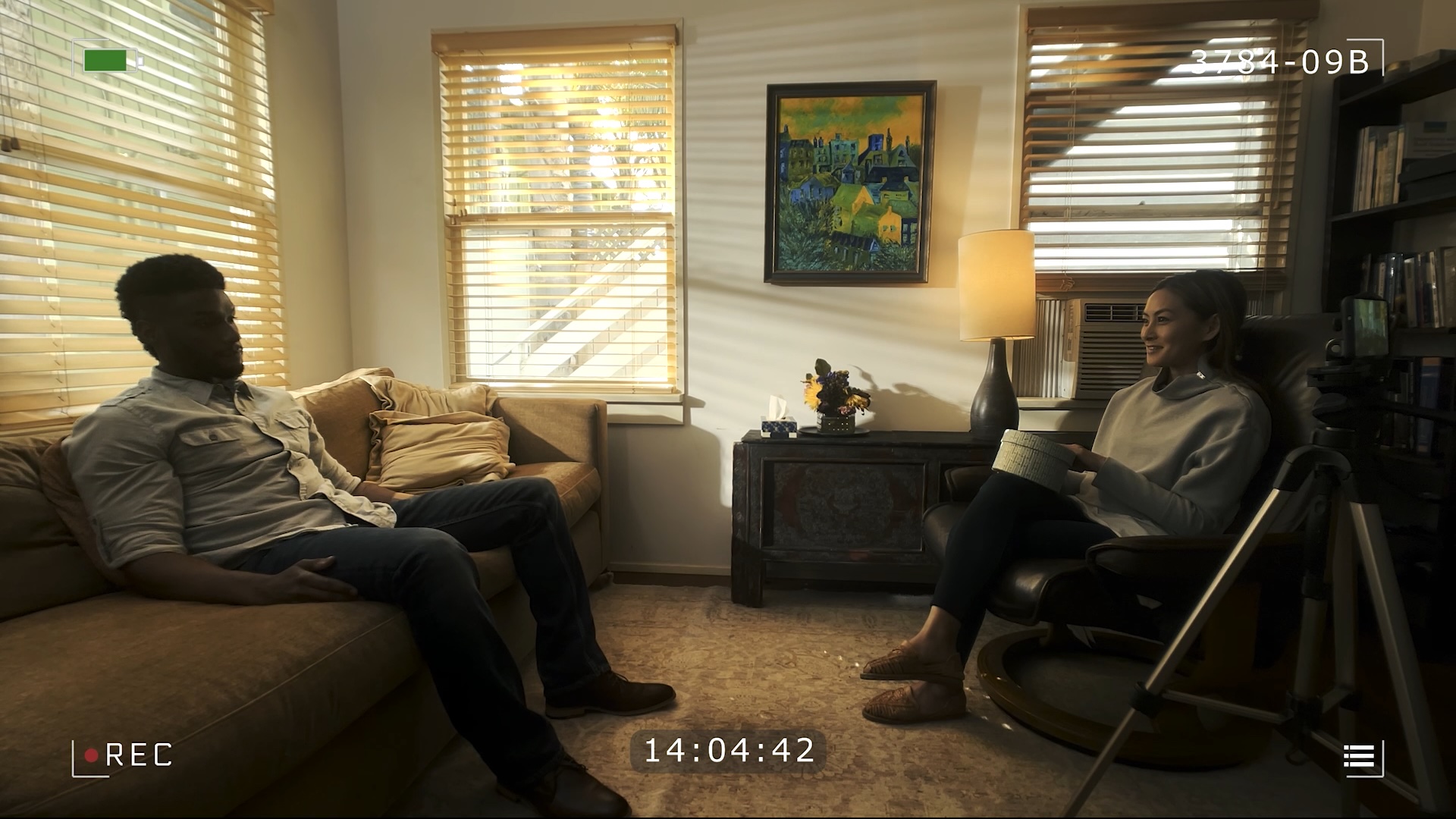
With the availability and affordability of technology these days, filmmakers don’t always need to ask permission and instead can go out and make a project on their own. For longtime friends, Ari Briskman and Mychal Thompson, that’s exactly what they did, taking the indie film route to create the horror thriller, Molt. They had a story they wanted to tell and found a way to make a largely contained, moderate budget, limited-cast feature that takes audiences an intense journey.
Mychal Thompson (Unsolved: The Murders of Tupac and the Notorious B.I.G., Death Camp) takes us inside the collaborative experience of making this film.
HOW DID YOU GET INVOLVED WITH THIS FILM?
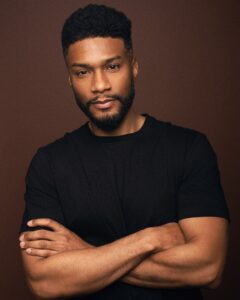 So me and Ari have known each other for over 15 years and we had talked about doing something together. He came up with this idea and I was like, “Wow, that sounds really cool.” It always sounds cool. Let’s see what it’s about. And because I know Ari and I know his background, I know that when he writes it’s almost like, I tell him all the time he’s like a younger mindset of Christopher Nolan in the way he writes these stories as we think it’s something, but in the end we find out it’s something completely different.
So we got together. He wrote this script. I read it, I loved it and that was basically it. I came on to help as a producer, brought on some actors that I knew that would be good for these roles and that’s about it.
TELL ME ABOUT YOUR EXPERIENCE WITH THIS FILM. WHAT WOULD YOU LIKE PEOPLE TO KNOW ABOUT THIS MOVIE?
I don’t think in genre films you really get to see Black men in these type of roles. I don’t want to make a blanket statement that there aren’t any, but I don’t think you get to see them like this.
So I really want people to know that, number one, this is not a pandemic film at all, but number two, I think it touches on something that I think the Black community has kind of pushed away or discarded and is now coming into to fruition, for lack of better words. And just trauma. I think it explores Black trauma in a way that I haven’t really seen before.
YOU’RE THE LEAD IN THE FILM AND ALSO A PRODUCER ON THE PROJECT, CAN YOU TELL US ABOUT YOUR ROLE AS A PRODUCER AND BALANCING THAT WITH YOUR ON SCREEN PERFORMANCE?
So one of the things is providing the location to shoot. Also too finding the right actors that I thought would be good for these roles.
Also just helping out in ideas in terms of the script in itself. Ari wrote it, but we go back and forth. One of the things I loved about working with Ari is that he did allow for me to add my voice to it, so that did help out. But in terms of the producer role, mainly just that because the role was so deep fortunately I didn’t have to do a lot of the other stuff that normally a producer would do.
THIS FILM IS VERY CONTAINED, A SMALL CAST, AND YOUR CHARACTER IS AT THE CORE OF EVERYTHING. YOU HAVE MANY SOLO SCENES WHERE YOU’RE RESPONSIBLE FOR MOVING NOT JUST THE STORY, BUT ALSO THE HEART AND EMOTION OF THE FILM, CAN YOU SHARE YOUR APPROACH TO TAKING ON THIS TYPE OF ROLE?
 I think always there’s the impostor syndrome. Just in general it’s like can I do this. Ultimately for me I really had to dive into as much info information I could find of people with PTSD. I was looking for stories of people who have lost their mothers at birth, that have gone through that. I did a lot of YouTube stuff, delving into these stories, these testimonies of people that go through these things.
Ultimately one of the things I learned a long time ago, I had a teacher who would always tell us to always ask why. So in doing that, you’re constantly asking why. Kind of like why am I doing this? Okay. And then why am I doing that? Why do I feel this way? If you keep getting down to a really deep place to where I think people can really resonate, it becomes more universal. It’s true. I’ve heard this before, but it’s true to a specific situation, the more universal it becomes, So I just try to be honest with every scene and that’s all you can do. I told Ari when we were shooting, because he would try to tell me like, this scene is going to work like this and then later on it’s going to come… I’m like, all right. It doesn’t matter. I’m just focused on this scene. How you guys put it together, that’s on you. I just have to be honest in that scene.
WHAT IS YOUR OVERALL APPROACH TO TAKING ON ANY ROLE THAT YOU PLAY?
I think, even some of the TV roles I’ve done, I remember playing on Unsolved with the Tupac and Biggie. I actually played the guy that’s accused of murdering Tupac. One of the things I remember even in the short stint of that role, it’s like I want to find out everything I can about this person, because people are always going to demonize something that you don’t know that person deep, It’s easy to look at oh, they’re just a really bad person. It’s like what they did, yes, it can be bad, right? But also too, there is a human aspect to it.
I had another teacher say this and it’s like if you’re going to judge that role, don’t take it, because now you’ve killed the humanity of it. Now you’re going to be playing an idea of that person instead of truly, playing that person. So with every role I just try to find out as much as possible about that person.
WHAT ADVICE DO YOU HAVE FOR ACTORS WHO ARE JUST GETTING STARTED IN THEIR CAREERS?
Find a good class. Not only should you learn the craft of acting, but you’re also going to get a chance to network. Class was obviously where I learned, but also where I learned I could get good headshots at a good price. The teachers are the ones that can refer you to agents and managers.
In this day and age now you could create things for yourself. You could shoot your own demo reel. You can create all those things, but I would say the number one thing is get into a good class.
WHAT’S THE BEST ADVICE YOU RECEIVED ALONG THE WAY IN YOUR ACTING JOURNEY?
Live life. And the other thing is more specific to acting, which is you do the work and let it go. You do all the preparation, do all that stuff and then just let it go. Just be present. And live life, because life is the best acting teacher to have experiences and that’s where you really draw from.
WHAT’S SOMETHING YOU KNOW NOW, BUT WISH YOU’D KNOWN EARLY IN YOUR CAREER?
I think I stuck with some representation a little bit longer than I should have. And there’s a difference between an agent and a manager, but really those roles kind of blend these days, but I think you have to remember that they work for us and not the other way around. So if anything, I think I would have moved on earlier than I did.
One of the things in this business and especially with representation, because there’s levels you’ll work, like you’ll do co-star work, guest star work, move on, recurring so on and so on, but the thing is the way the industry is, if you continue to just do the co-star stuff, they’ll only see you as a co-star and there’s certain representation where it’s like they know to go to them for just these things. And let me make this very clear, I am not in any way like crapping on these managers and stuff because I believe that they’re all out there just trying to do the best they can, it’s just unfortunate that the business is the way that it is. For the young actors, hey, don’t get caught in just doing all these co-stars because then you will only be this co-star actor.
WE OFTEN HEAR THE ADVICE TO GO OUT AND MAKE SOMETHING. YOU AND ARI TEAMED UP ON THIS FILM AND DID JUST THAT. WHAT ADVICE DO YOU HAVE FOR OTHERS WHO ARE MAYBE STEPPING OUT OF THEIR COMFORT ZONE AND CONSIDERING MAKING SOMETHING ON THEIR OWN.
Do it. And know this, it’s not going to be easy, but I think anything worth having, you got to fight for. You got to work hard for. The one thing I would say though with doing it, make sure it’s something that you’re passionate about.
I was at Sundance years ago and I remember hearing Ice-T, he had a documentary at the time, and I never forget he said that he did a documentary on something, but it was something he knows about. So it’s like if you’re going to do something, do it about something you actually know about. I think that’s the number one important thing and the people that do it from a genuine place, I think it shows in the outcome of it.
AS THIS WEBSITE IS COCKTAILS AND MOVIES, WHAT IS YOUR PERSONAL FAVORITE COCKTAIL?
My personal favorite cocktail is a nice green tea. Yeah, I don’t drink. I’m really into teas and loose leaf teas, just really different types.
WHAT COCKTAIL DO YOU THINK GOES BEST WITH THIS FILM?
The cocktail would be a Blanco margarita or something like that, because tequila, it creeps up on you, hits you really hard and I feel like with Molt, it kind of creeps up on you and then it hits you really hard in the end.
Kelly Jo Brick is a TV crime, mystery and procedural writer. A Sundance Fellow and alum of the Women In Film’s Writer/Showrunner Mentoring Circle, Kelly Jo is also the Vice Chair of the WGA Genre Committee. She wrote the Telly Award-winning film, PAUSE, and the Frank Lloyd Wright documentary, The Jewel in the Woods. Follow her on Bluesky @kellyjobrick.bsky.social